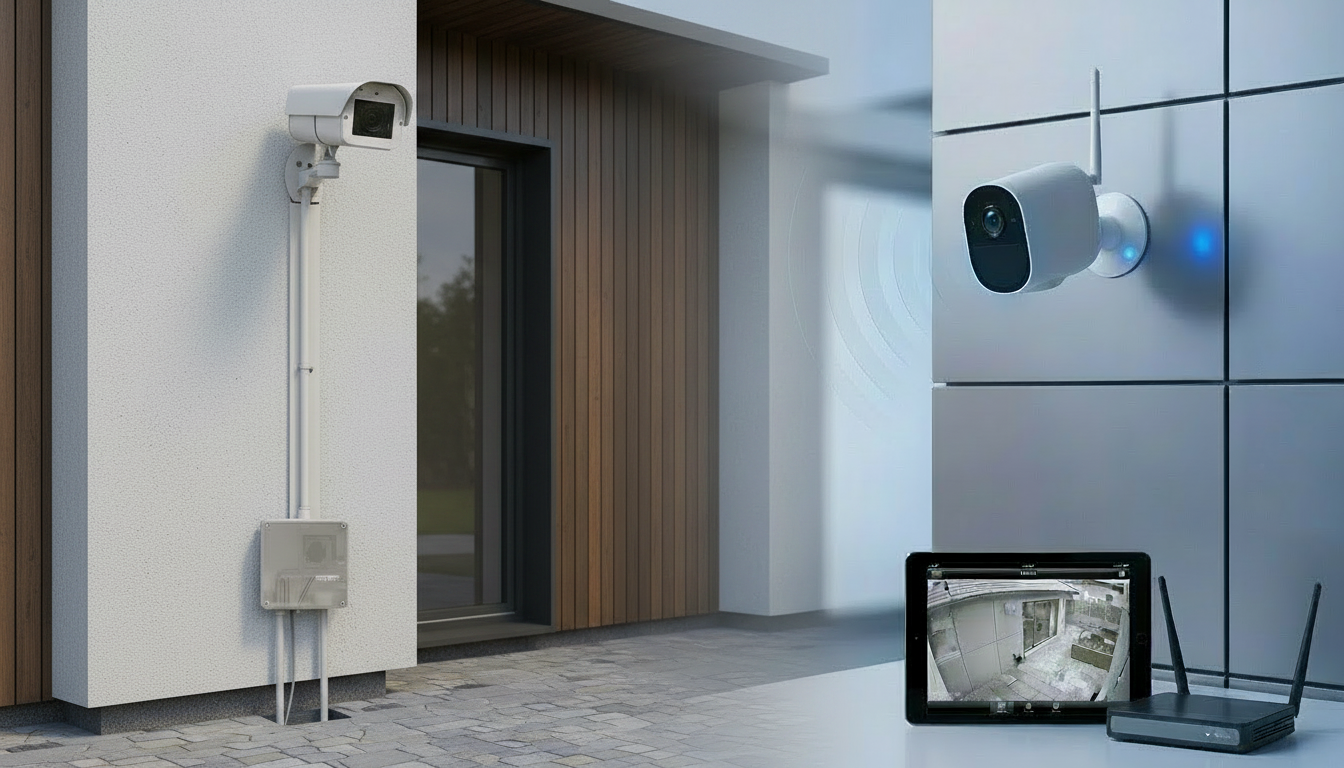
 Wired video surveillance on the left, wireless wifi system on the right: two approaches to securing your property.
Wired or Wifi Alarm: Why We Still Recommend Wired
If you’ve recently looked into an alarm system for your home or business, you’ve probably noticed that wireless and wifi dominate the marketing. It’s appealing, it’s controlled from an app, and it can be blinking on your wall before dinner. So why does nutzTECH keep steering its clients, homeowners and businesses alike, toward wired systems?
Because “easy to install” and “reliable for the next 15 years” are two very different things. Here’s our honest take.
Wired doesn’t depend on your internet box
This is the most important point. A wifi alarm is only as reliable as your internet connection. A router glitch, an outage at your provider, a storm that knocks out the modem, or simply a burglar who’s done a bit of homework and unplugs your box on the way in: in every one of these cases, a wifi-dependent system can lose its ability to communicate with the monitoring center or your phone, at exactly the moment it matters most.
A wired system runs on its own dedicated circuit, completely independent of your internet network. It doesn’t need to know, or care, whether your connection is up. That’s not a minor detail, it’s the entire point of an alarm: it has to work on the worst day, not just an ordinary Tuesday.
Signal reliability with no compromise
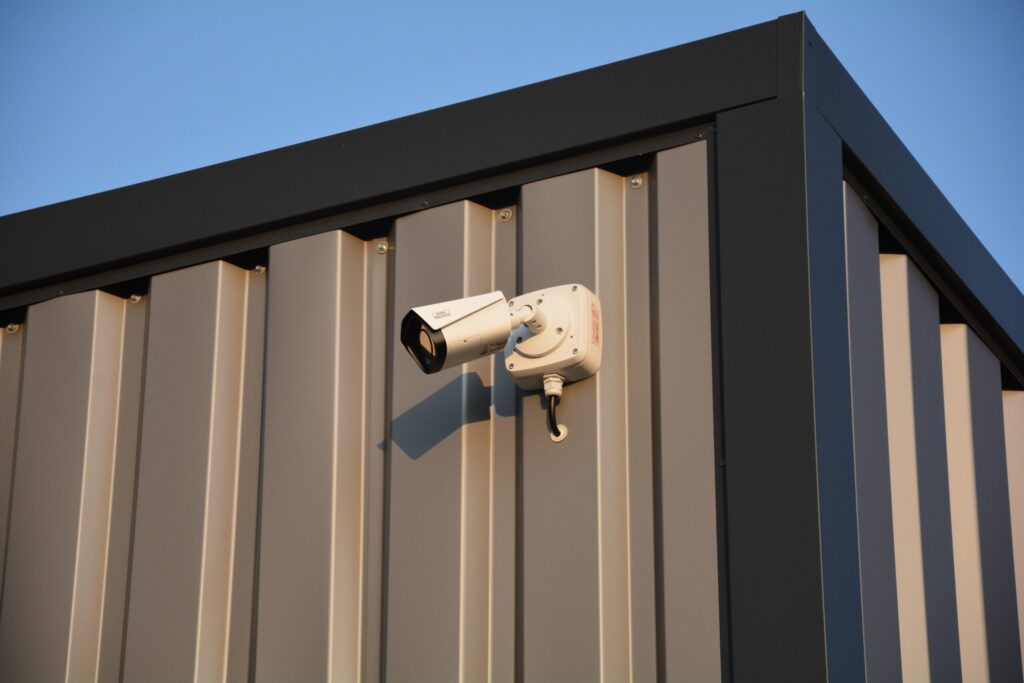
Wireless sensors talk to their control panel over radio waves. That’s convenient, but it also means the signal can be weakened by thick walls, a metal frame, other electronic devices, or simply distance from the panel. Wireless manufacturers all claim interference is “rare”, and that’s broadly true, but wired removes that variable entirely. A physical connection is a physical connection: no dead zones, no lost signal, no mystery of “why didn’t my back door sensor trigger”.
Much harder to disable remotely
Let’s be honest about this one: radio jamming of wireless alarms is a real, documented risk, not an urban legend. Independent tests on consumer wireless systems have shown that some models remain vulnerable to signal jamming, with a simple jammer able to block communication between sensors and the panel before an intrusion even begins. On the other hand, it’s worth acknowledging that most burglaries are still quick, opportunistic break-ins, not sophisticated radio attacks, and that the best wireless systems now use frequency hopping and encryption to reduce that risk.
But that’s exactly the problem: those countermeasures exist because the flaw exists. A wired system simply has no wireless signal to jam or intercept. You’re not depending on how well the manufacturer implemented it, there’s nothing to get around.
No more battery graveyard
Every wireless sensor in your home runs on a battery, and every battery eventually runs out, often without warning, sometimes silently, discovered only on the day you actually needed it to work. Multiply that across ten or twenty sensors in a home or business, and you’ve got a permanent maintenance task that’s easy to neglect.
Wired sensors are powered directly by the system. No batteries to monitor, no monthly beep telling you a door sensor is at 15%, no risk of an entire zone silently going dark because nobody swapped a coin battery in six months.
Built to last
Wireless hardware is convenient, but at heart it’s still consumer electronics: proprietary radios, app ecosystems, control panels that eventually get discontinued and stop receiving updates after a few years. Wired systems, especially professionally installed ones, generally last much longer and are easier to extend, repair, or upgrade piece by piece, without tearing everything out.
For a business, this matters even more. It’s not just about protecting equipment or stock overnight: there can be insurance requirements, regulatory obligations, or multiple access points across a larger site, where a solid, hard-to-disable foundation isn’t a nice-to-have, it’s a necessity.
Wifi does have its advantages
To be fair, wireless isn’t all downside. It’s a genuinely good solution for tenants who can’t drill into walls, for older or listed buildings where running cable is a real problem, and for anyone who wants a fast installation with no appointment and no work. If you need a solution this weekend, with zero drilling, wireless is the most honest answer.
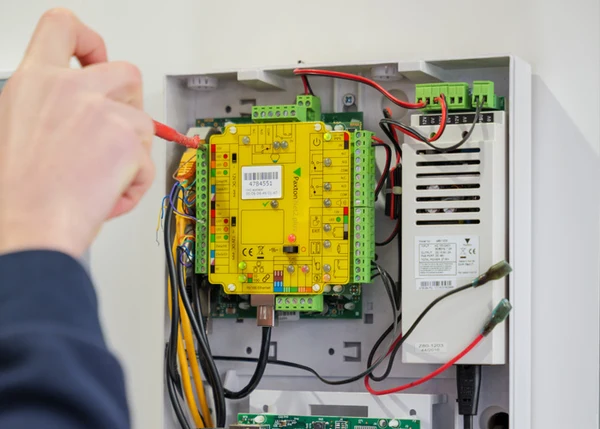
The trade-off is upfront cost and installation time. A wired system needs a professional install, running cable through walls, wiring sensors back to a panel, which takes longer and costs more upfront than sticking a few wireless sensors up with double-sided tape. But for new construction, a renovation, or simply a project meant to last, that upfront investment buys you a system that doesn’t silently depend on a wifi signal, a battery level, and a bit of luck.
Our take
We’re not against wireless technology in general, plenty of home automation gear is genuinely excellent. But when a device’s entire job is to “work reliably during someone’s five worst minutes of the year”, we’d rather bet on a physical cable than a radio signal and a battery. It’s the system we’d install in our own home, and it’s the one we install for our clients.
Planning new construction, a renovation, or simply want to stop wondering whether your current alarm will actually work the day it counts? nutztech.fr can help you look at what a wired system would mean for your home or business, no pressure, just a clear answer suited to your property.
Have questions about upgrading your current system, or wondering whether a hybrid wired setup with cellular backup would suit your situation better? Get in touch, we’ll help you figure out what’s actually worth investing in.